

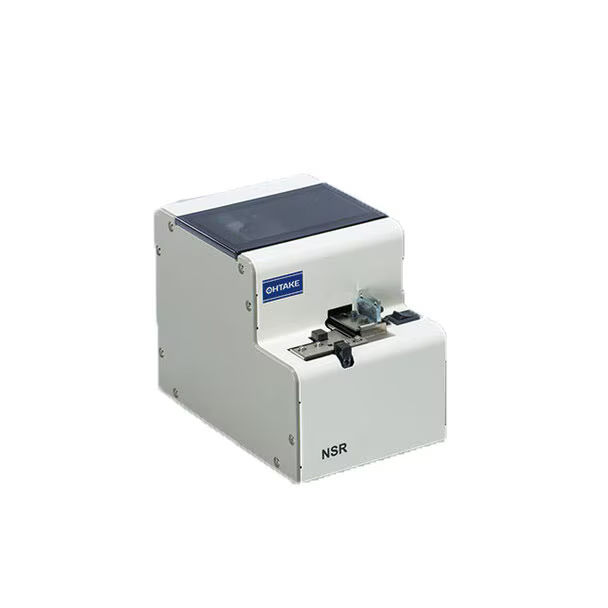
Click the image to zoom


OhtakeNSR-12
1.2mm x 20mm Robotic Screw Feeder, 80cc
Elevate your assembly efficiency with the Ohtake NSR-12 Robotic Screw Feeder. From its precise screw presentation to its durable construction and easy installation, this screw feeder is engineered to streamline your production processes. Invest in the NSR-12 and experience a new level of accuracy and productivity in your assembly line.
$1,529.00
Total$1,529.00Taxes & shipping at checkout
Quantity
1
Item Ships free Order total must be over $999.99, under 20 lbs and shipping within continental USA
- Free UPS Ground over $999.99
- Factory-authorised service
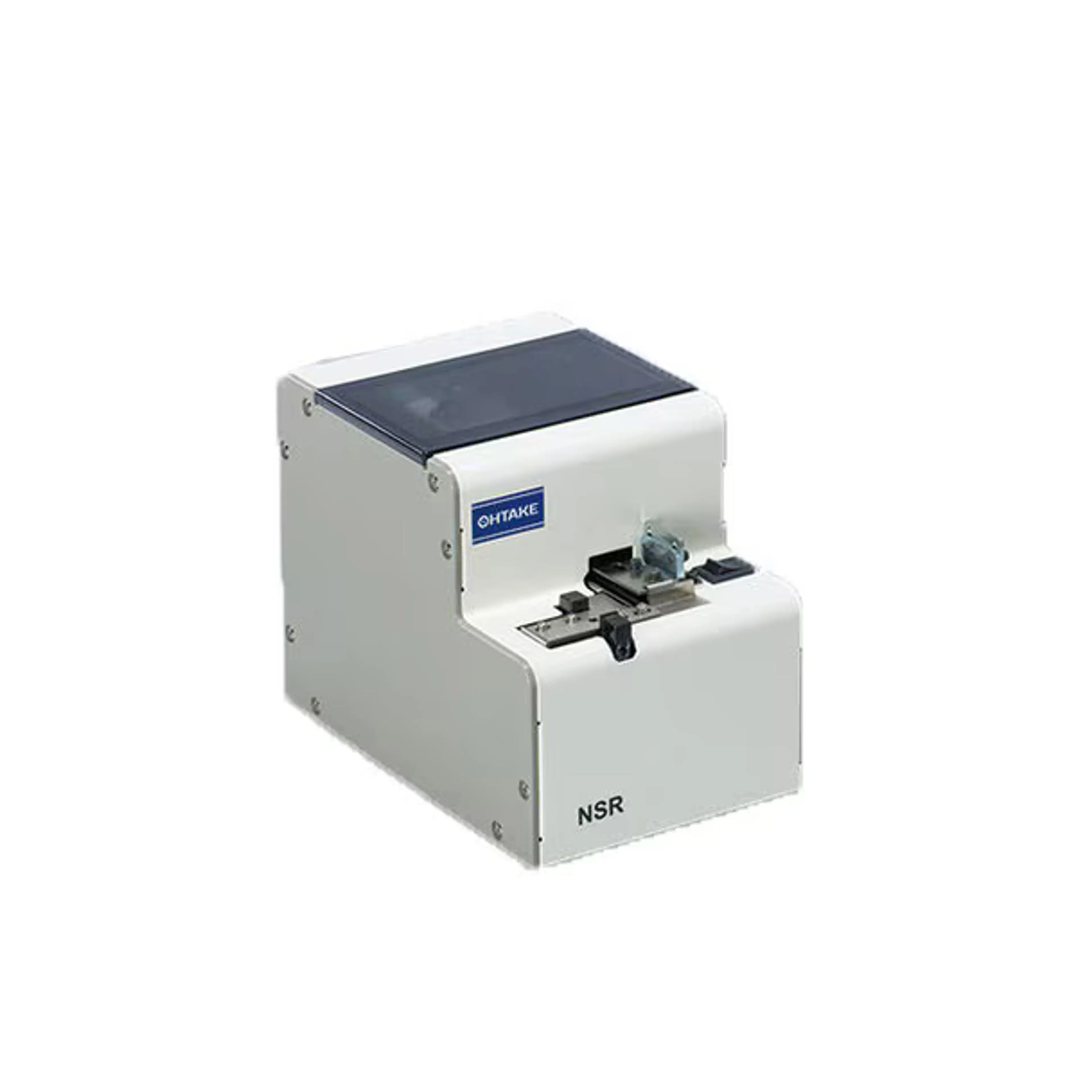
NSR-12 | 1.2mm x 20mm Robotic Screw Feeder, 80ccNSR-12
Total$1,529.00
1
Details
Product information
Overview
Introducing the Ohtake NSR-12 Robotic Screw Feeder, a cutting-edge solution for your assembly needs. This robotic screw feeder is meticulously designed to enhance efficiency and accuracy in your production processes.
- Screw Size: 1.2mm x 20mm
- Capacity: 80cc
- Screw Length Compatibility: Up to 20mm
- Number of Screw Sizes: Up to 8
- Operation: Smooth screw supply
- Machine Lifetime: Long
- Installation: Easy
| Technical Specifications | |
|---|---|
| Type | Robotic Screw Presenter |
| Screw Diameter - mm | 1.2 |
| Max Screw Length - mm | 20 |
| Capacity - cc | 80 |
| Dimensions - mm | 123 x 181 x 145 |
| Power Supply | AC100 - 240V DC15V |
| Weight - kg | 3 |
| MPN | NSR-12 |
| Features & Benefits | |
| Precise Screw Presentation: The NSR-12 is capable of presenting 1.2mm x 20mm screws with utmost precision, ensuring consistent and reliable screw feeding. | |
| Ample Capacity: With an 80cc capacity, this screw feeder can accommodate a substantial quantity of screws, reducing the need for frequent refilling and minimizing downtime. | |
| Versatile Screw Compatibility: The NSR-12 can be used with screws up to 20mm in length, providing versatility for a wide range of assembly applications. | |
| Multi-Size Capability: This screw feeder can handle up to 8 different screw sizes, offering flexibility and adaptability to your changing production requirements. | |
| Smooth Operation: The NSR-12 ensures a smooth and uninterrupted supply of screws, minimizing disruptions and maximizing productivity. | |