

Click the image to zoom


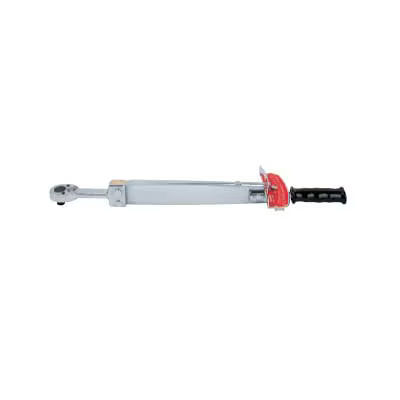
TohnichiQFR2800N
Torque Wrench, 300 - 2800 NM
Elevate your torque application capabilities with the Tohnichi QFR2800N Torque Wrench. Its exceptional torque range, robust construction, and user-friendly features make it a standout choice for professionals seeking precision and efficiency in their fastening tasks. Invest in this top-of-the-line torque wrench and experience the difference it brings to your assembly operations.
Your requestWe price the quantity you set here
Quantity
1
Call (619) 287-7000
A specialist replies within one business day.

QFR2800N | Torque Wrench, 300 - 2800 NMQFR2800N
Price on request
Details
Product information
Overview
Introducing the Tohnichi QFR2800N Torque Wrench, a robust and reliable tool designed to meet the demands of professional and industrial applications. Manufactured by Tohnichi, this high-quality torque wrench combines precision, durability, and versatility to take your fastening tasks to the next level.
- Min Torque(Nm): 300
- Max Torque(Nm): 2800
- Drive Size: 1 1/2'' square
- Head Type: Angle Head
- Manufacturer: Tohnichi
| Technical Specifications | |
|---|---|
| Model | QFR2800N |
| Drive size | 1 1/2'' square |
| Wrench Type | Beam Torque Wrench |
| Manufacturer | Tohnichi |
| SKU | QFR2800N |
| Stock Code | 2 |
| Style | Angle Head |
| Min Torque (Nm) | 300 |
| Max Torque (Nm) | 2800 |
| Overall Length | 1305 |
| Weight (lbs) | 0.01 |
| MPN | QFR2800N |
| Features & Benefits | |
| Impressive Torque Range: With a torque range of 300 - 2800 Nm, the QFR2800N is capable of handling a wide variety of heavy-duty fastening applications, making it an indispensable tool for various industries. | |
| Fixed Ratchet Head: The fixed ratchet head provides a secure and stable connection, ensuring accurate and consistent torque application. | |
| Flat Beam Style: The flat beam design allows for easy access in confined spaces, making it ideal for working in tight areas where maneuverability is limited. | |
| Lightweight and Durable: Despite its robust construction, the QFR2800N remains lightweight, reducing user fatigue during prolonged use. | |
| Easy-to-Read Scale: The clearly marked and high-contrast scale enables precise torque adjustments and accurate readings, minimizing the risk of overtightening or undertightening. | |